Carter Nine was one of the many oil boom towns that sprang up around the Burbank field strike. It was unique in that it was company owned, built as a camp to house its offices and workers. Having seen the chaos and lawlessness of other boom towns in the area, such as Whizbang,the Carter Oil company built their own "town" and fenced it in.
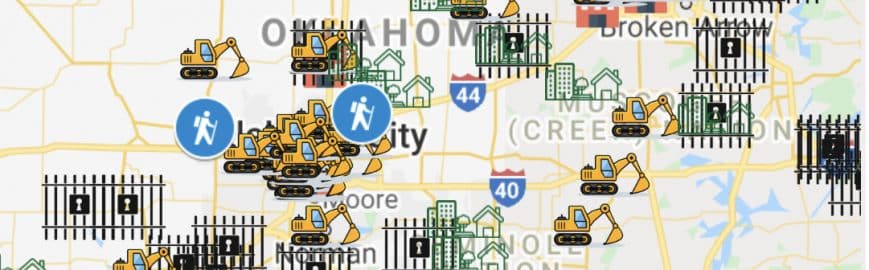
It was exceptionally tough to find information or historical photographs on Carter Nine. The town ceased to exist over 60 years ago, but strangely still shows up on Google maps. Except for a few old timers, most of the locals have even forgotten it.

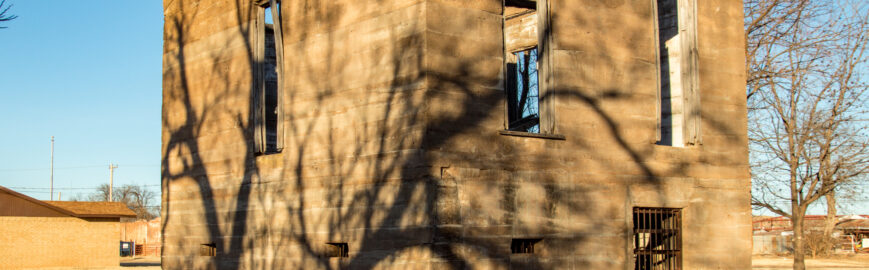
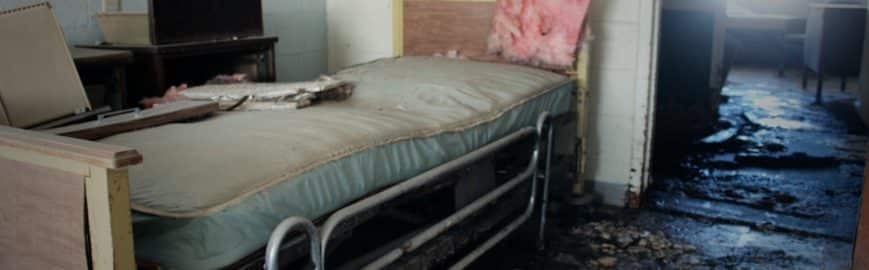
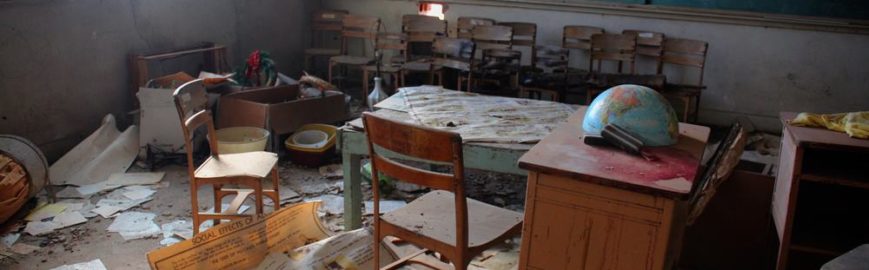
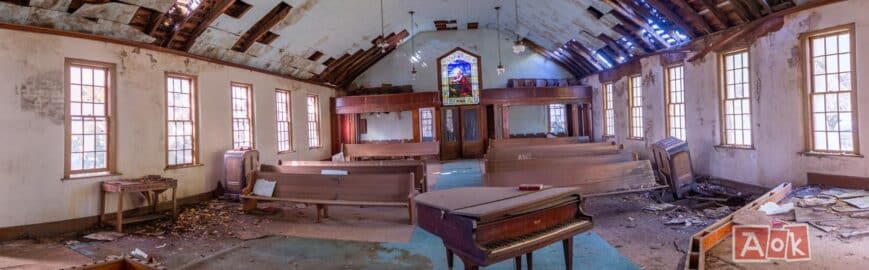
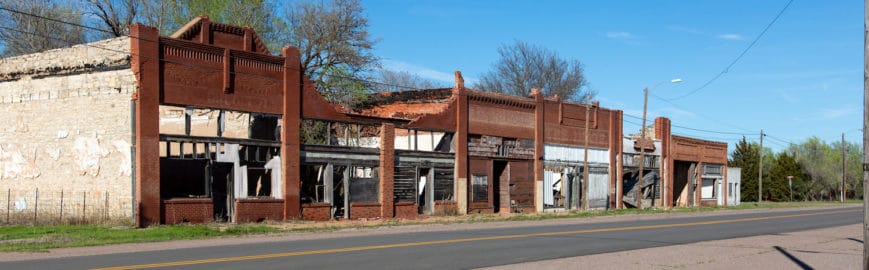
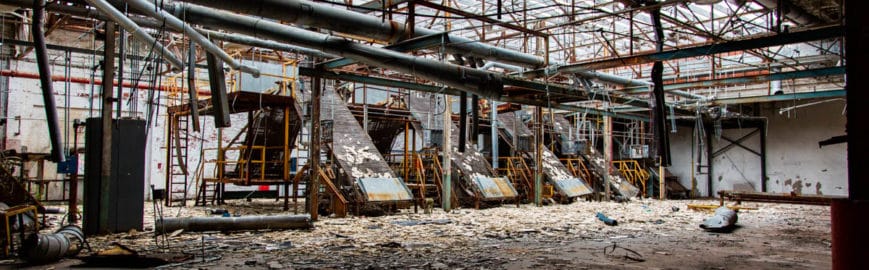
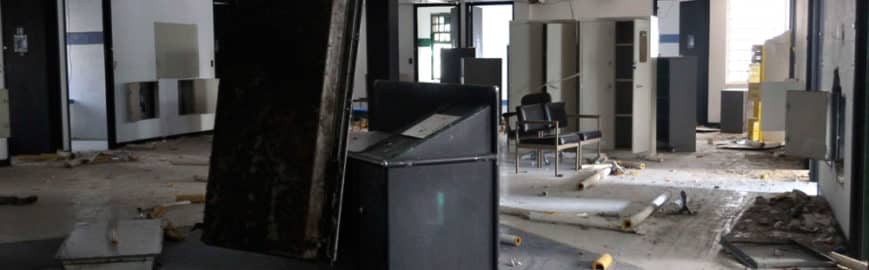
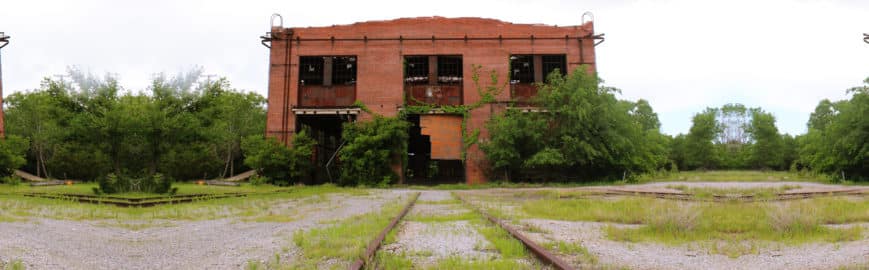
The remains of the town and refinery were spread over a large area, especially the refinery. I felt like an explorer deep in the jungle exploring the remains of a lost civilization. Hidden in the brush, there were ruins of structures everywhere, and though I walked at least a mile, the remains showed no signs of lessening. You could drive right by and never realize it was there, assuming for some reason you wanted to drive down a rough dirt road that wasn't much better than a cow path....

At the peak of the Burbank field oil boom in Osage county, Oklahoma, the Carter Oil Company arrived. The Carter Oil Company was founded in 1893 and became a susidary of Standard Oil. In 1915 the company moved its headquarters to Tulsa and began operating in the many oil fields in Oklahoma. The company later became one of the founding pieces of Exxon.


In 1920, the Carter Oil company purchased oil leases in the rapidly expanding Burbank field. Having seen the chaos and lawlessness of many of the oil boom towns, such as Whizbang, the company decided to build a contained and fenced community for its workers. Originally, Carter Oil wanted to build the camp at nearby Burbank, but was unable to find any property at a reasonable price, i.e. the locals tried to gouge the company. As a result, Carter Oil decided to build the camp on oil lease property they already owned. The camp was constructed in the 9th quadrant of the Carter Oil lease, hence the name Carter Nine.

The camp was originally built with company offices and two rows of 50 homes, with a third row added later. As the boom continued, the camp
continued to expand, adding a school, stores, cafes, etc in and around the camp. The community became an incorporated town with the establishment
of a post office on the 14th of August, 1928.


The town was considered very progressive for the era, with electricity and modern plumbing. Carter Oil had built a large Naptha plant nearby, which produced high octane gasoline, solvents, butane and propane. The company sponsored high school which excelled in sports and academic competition including basketball, track and tennis. Children from the smaller camps and area farms and ranches attended the school as well.


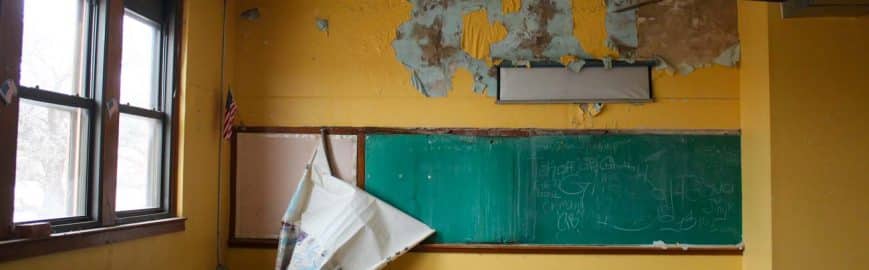
At its peak, the Burbank had six refineries operating. As the fields production waned, these plants begin to consolidate or close. The Skelly Oil Company took over the Carter Nine plant in 1935, who operated it until 1940, when the plant and the remaining Carter Oil Company holdings in the area were acquired by Phillips Petroleum. Much of the towns population was transferred or laid off when this occurred and the orignal camp was razed. The school remained, but by 1942, the high school had closed, with the grade school lasting until Phillips closed the refinery in 1945, consolidating its operations with another Phillips plant west of nearby town of Shidler. At it's peak, more than 500 homes surrounded Carter Nine when the Burbank field employed between 30,000 and 40,000 people. By the time the plant closed, this had dropped to a single grocery and 36 homes.


I found an old interview with a Loyd Rafferty, the owner of the last grocery in Carter Nine, which he was closing with the refinery shutdown. In the interview he said that at it's peak, almost 10,000 people lived in or around Carter Nine. At the plant closing, less than 100 remained. Loyd had seen it all, getting his start by delivering bread by wagon from the Crocket Bakery in Burbank in the early 1920s. He had owned a
grocery in Whizbang before opening his store in Carter Nine in 1935, which was when Whizbang began its rapid decline.


The reporter who interviewed Loyd closed his interview with this:
"On a quiet Sunday morning the plant lost its rhythm, slowed, weakened and stopped as workmen made the final shutdown. The prairie became eerily silent as an era came to end."